Prof Omar M. Yaghi Wins the 2025 Nobel Prize in Chemistry: A Milestone that Resonates with many Africa Scholars
October 10, 2025 2025-10-10 13:53Prof Omar M. Yaghi Wins the 2025 Nobel Prize in Chemistry: A Milestone that Resonates with many Africa Scholars
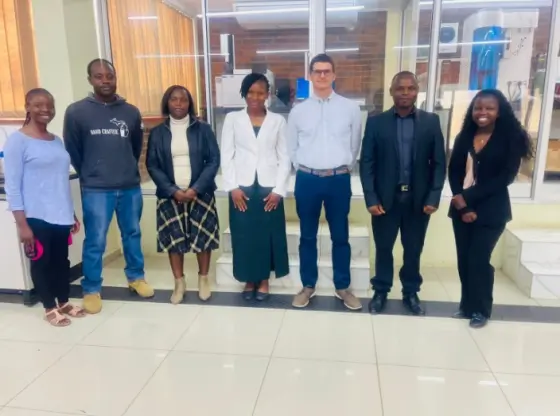
Prof Omar M. Yaghi Wins the 2025 Nobel Prize in Chemistry: A Milestone that Resonates with many Africa Scholars
By: Banothile Makhubela
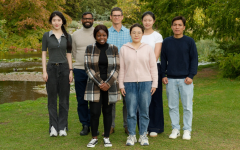
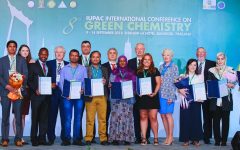
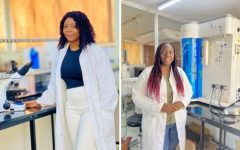
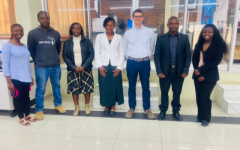
(Photos courtesy of the BGSI Africa Node Launch: Audacity Worx, Johannesburg, November 2024)
A Nobel That Unites Continents
The global chemistry community is celebrating the announcement that Professor Omar M. Yaghi has been awarded the 2025 Nobel Prize in Chemistry, shared with Professor Susumu Kitagawa (Kyoto University, Japan) and Professor Richard Robson (University of Melbourne, Australia). The trio received the prize “for the development of metal-organic frameworks (MOFs)” – crystalline, porous materials that can store gases, harvest water from air, and catalyze key reactions for a sustainable future.
Their discoveries launched the field of reticular chemistry, where atoms and molecules are deliberately stitched into networks with tunable properties — an achievement now transforming how science addresses global challenges in energy, climate, and clean water.
A Vision of Science Without Borders
For young African scholars at the University of Johannesburg (UJ) and Midlands State University, Zimbabwe and Stellenbosch University this Nobel recognition is personal and it was less than 12 months ago, in November 2024, Prof Yaghi personally travelled to South Africa to launch the Berkeley Global Science Institute (BGSI) Africa Node, hosted at the University of Johannesburg (UJ). The BGSI initiative, founded at the University of California, Berkeley by Yaghi, is committed to democratizing access to world-class research, mentoring young scientists, and strengthening scientific collaborations in developing regions.
The BGSI Africa Node was launched in collaboration with:
• University of Johannesburg (South Africa) – led by Prof Banothile Makhubela
• Stellenbosch University (South Africa) – led by Prof Len Barbour
• Midlands State University (Zimbabwe) – led by Prof Gift Mehlana
• Catholic University of Cameroon (Cameroon) – led by Prof Francoise Amombo-Noa
• Chalmers University of Technology (Sweden) – directed by Prof Lars Öhrström
The BGSI Africa Node launch was Keynoted by the Deputy Minister for Water and Sanitation – Honourable Mr David Mahlobo and is dedicated to new MOF and COF discovery for advancing sustainability, carbon neutrality, and water security – core goals that align perfectly with Africa’s developmental priorities.
Scenes from the BGSI Africa Node Launch and Symposium after the Event
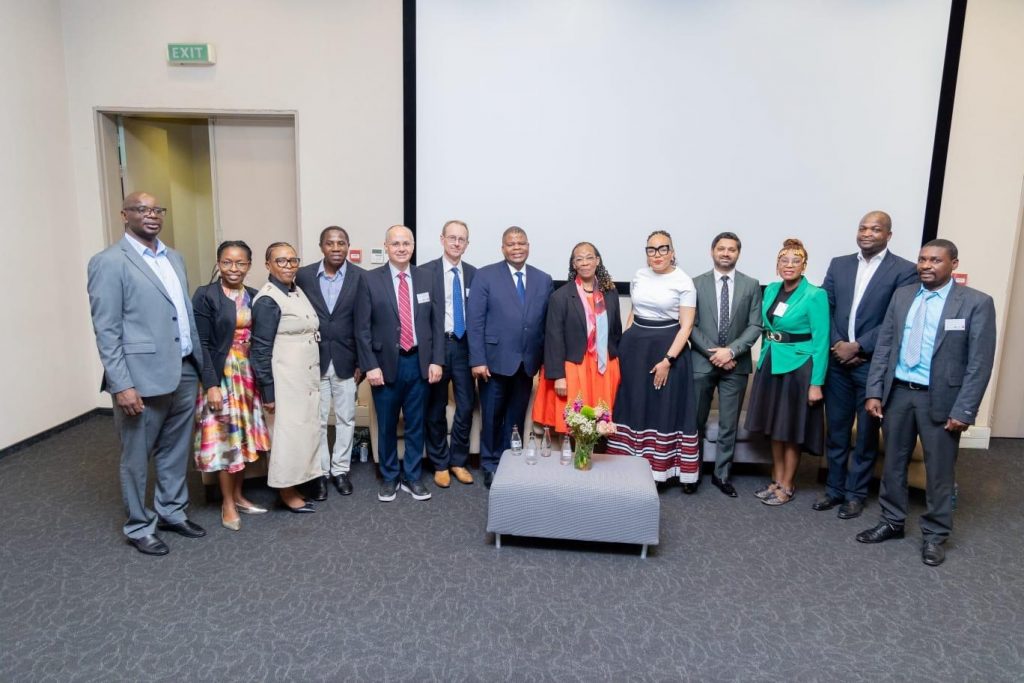
Group photo, with Honourable Deputy Minister David Mahlobo. of BGSI Africa Node partners Prof Öhrström and Prof Yaghi, Prof Makhubela. UJ and MSU faculties of Science Executive Deans Prof Moteetee and Prof Shumba, Stakeholders and invited guests from: The Water Research Commission (Dr Liphadzi), South Africa Photovoltaic Industry Association – Sapvia (Dr Melamu), the Chemical Industry Education and Training Authority – CHIETA (Mr Pillay) at the University of Johannesburg, November 2024.
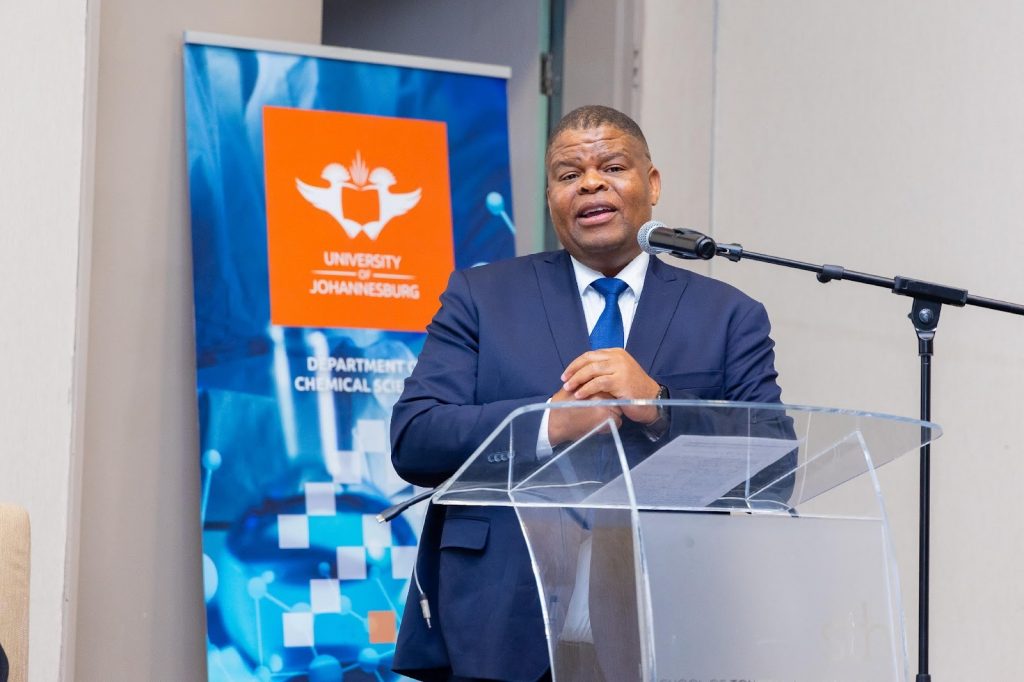
Honourable Deputy Minister Davide Mahlobo at the Delivering a Keynote address at the BGIS Africa Node Launch in November 2024.
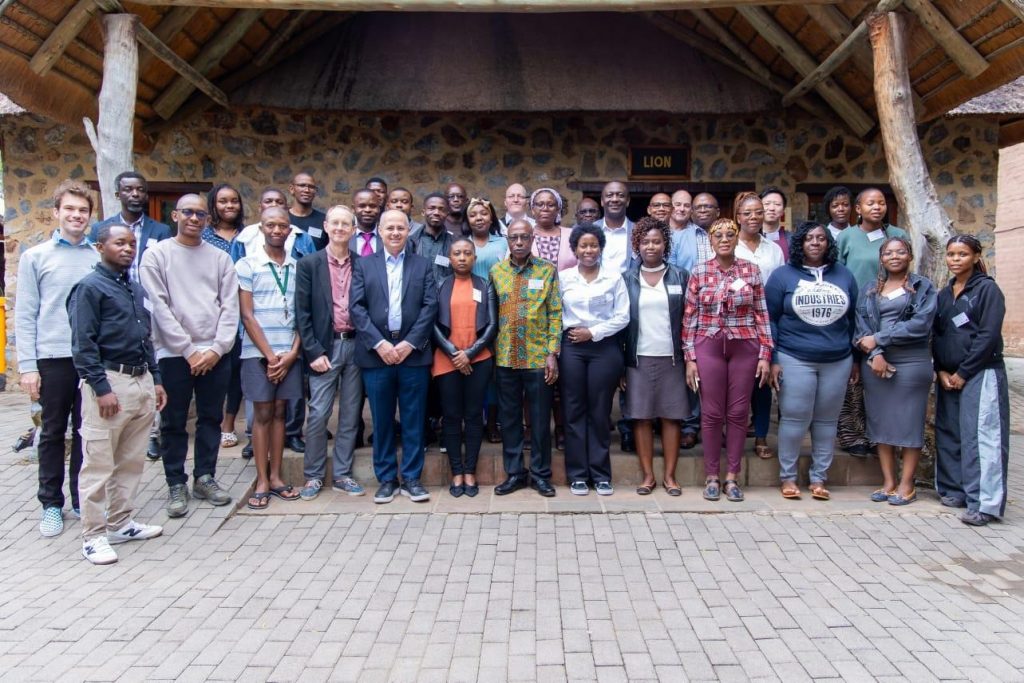
Group photo during the 3-day Symposium on Organic and Inorganic Chemistry in Southern African (SOICSA) held after the launch.
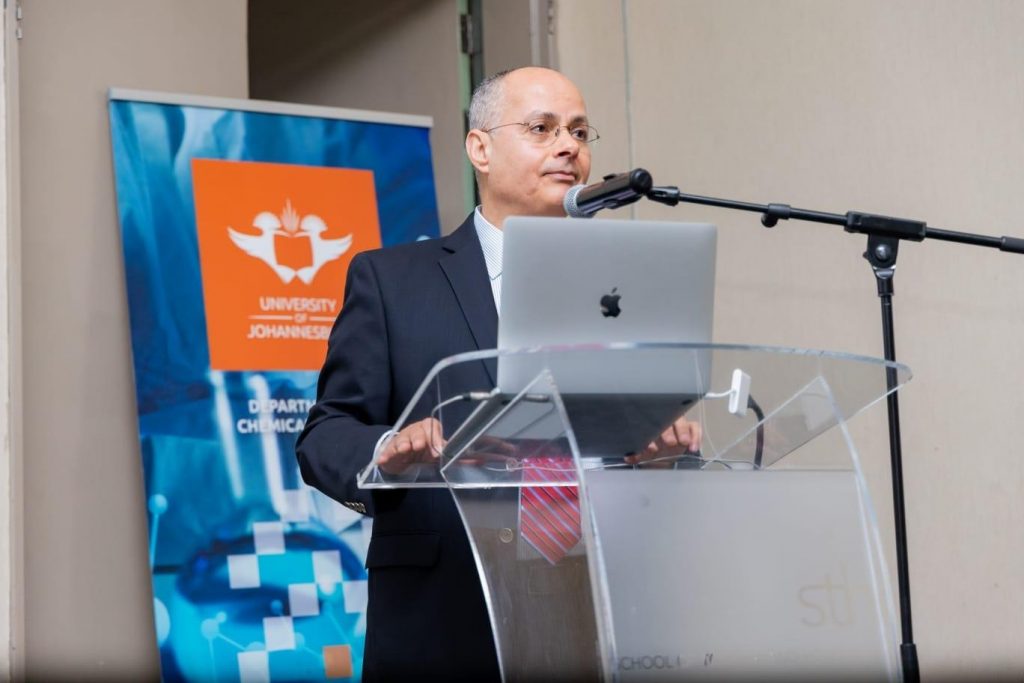
Prof Omar M. Yaghi delivering the BGSI Public Lecture at the University of Johannesburg, November 2024
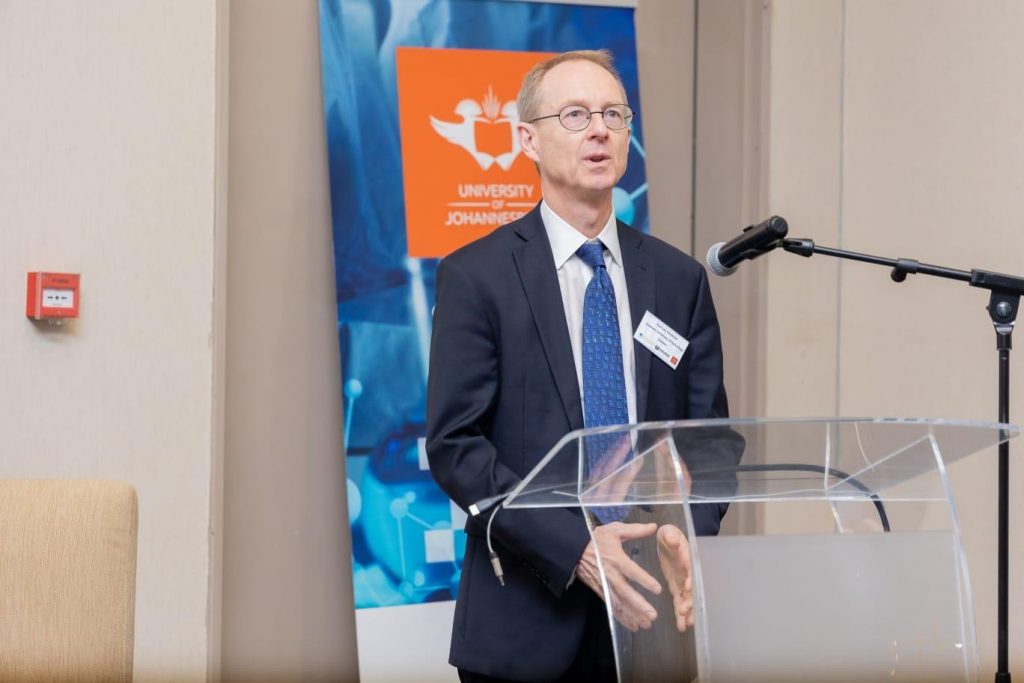
Prof Lars Öhrström: BGSI Africa Node Lead.
Africa’s Voice in the Global Conversation
The BGSI Africa launch was more than ceremonial, it symbolized Africa’s entry into the global MOF and COF frontier. Prof Banothile Makhubela, who co-organized the event and leads UJ’s Research Centre for Synthesis and Catalysis, reflected on its impact:
“African young scholars at Master’s and doctoral level have already benefited immensely from participating in BGSI international seminars, where they are exposed to the cutting-edge science carried out by BGSI research groups around the world while honing their scientific communication skills. We are truly grateful for this opportunity.”
Prof Gift Mehlana from Midlands State University (Zimbabwe) added:
“I am particularly proud that MSU is part of the Berkeley Global Science Institute (BGSI) Africa leg, an initiative launched in 2024 at the University of Johannesburg in collaboration with the University of California, Berkeley, and Chalmers University of Technology under the inspiration and mentorship of Prof Yaghi.
This partnership represents a new chapter in Africa’s scientific journey – one that brings together brilliant minds from across the continent to engage with global leaders in advancing sustainable materials research. Through the BGSI Africa leg, we are building bridges between African universities and the global scientific community, empowering young researchers to work on frontier areas such as CO₂ utilization, hydrogen production, and environmental remediation.”
A Nobel That Belongs to Many
Prof Yaghi’s Nobel Prize thus carries special significance. It affirms that excellence in science is borderless, that ideas nurtured in one laboratory can inspire progress on another continent. Through the BGSI network, African students and researchers are now part of that continuum – contributing to, and benefiting from, discoveries shaping a sustainable world.
As the BGSI Africa Node expands its work in MOF/COF research, water harvesting, and carbon capture, it embodies the essence of this Nobel moment: transforming science into opportunity, and opportunity into impact.
Congratulations to Prof Omar Yaghi, Prof. Susumu Kitagawa, and Prof. Richard Robson. Your discoveries have not only changed the landscape of chemistry but have ignited hope and inspiration across the Global South.